



KinEsiology
Kinesiology is a holistic approach that helps improve
emotional and physical well-being.
Why see a kinesiologist?
- To better manage stress and emotions (anxiety, worries, self-confidence)
- To enhance performance (memory, concentration, sports)
- To relieve physical issues linked to emotions (fatigue, unexplained pain, digestive problems)
- To support learning
- To regain energy
- To …

Kinesiology is a set of techniques based on muscle testing.
No muscle testing, no kinesiology!

As a kinesiologist, I will help you to rediscover your well-being. I will not treat or cure you, nor will I read your past or future!

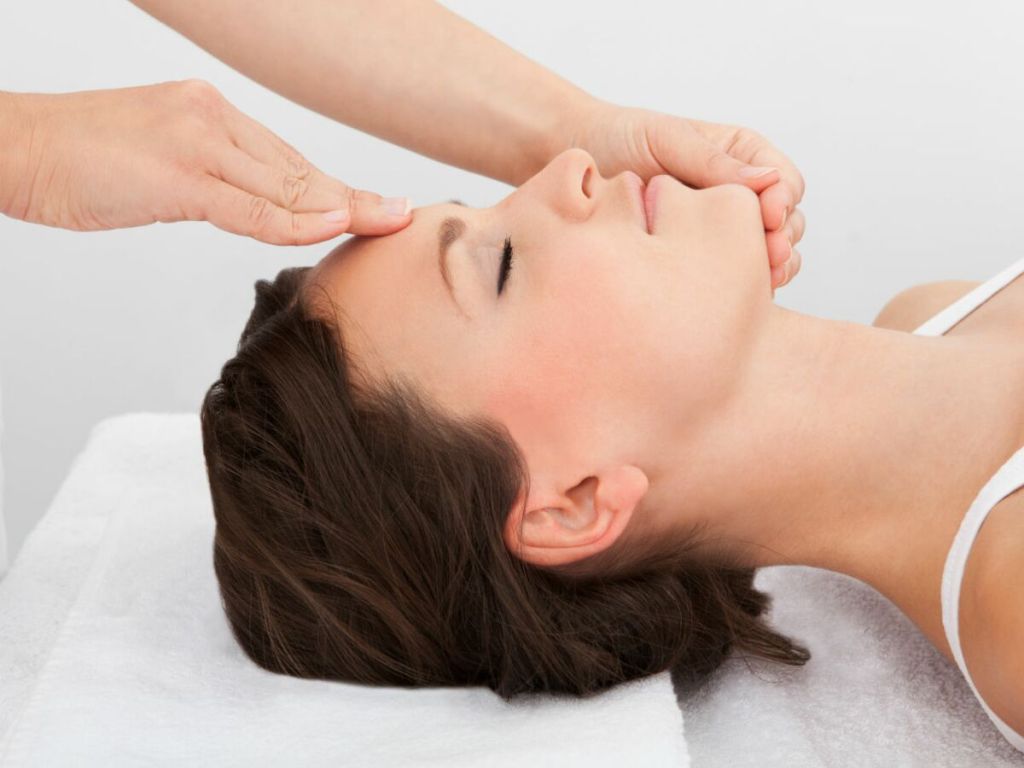
A little bit more about kinesilogy…
We all have the potential for happiness and well-being, but our beliefs, upbringing, traumas, unspoken words and patterns inherited from our ancestors all stand in our way.
Kinesiology is a mind-body method based on the health triangle. It represents the ideal balance between the emotional, structural and bio-chemical sides. Stress on one of these sides leads to an imbalance in the others. Kinesiology techniques can help you regain a better balance, so you can better manage future stresses.
Kinesiology helps us feel more relaxed, comfortable and confident. It promotes the release of blockages and discomforts in the body, emotions and psyche.
“Ce qui n’est pas exprimé, s’imprime”- Jacques Salomé (what one does not express is anchored in the body)
Etymologically, “Kinesiology” means the study of movement. In practice, it enables us to “move” in every sense of the word, to identify blockages, release energy and harmonize the individual. It’s a gentle, respectful approach, offering a holistic vision.
Kinesiology is based on the principles of traditional Chinese medicine.
Muscle testing is the kinesiologist’s main tool. By applying light pressure to a muscle, we interrogate the body’s “memory” and obtain information about its tone.
Muscle testing involves
- showing the body what makes it unbalanced
- showing the body what brings it back into balance
- making the correction that enables the body to rebalance it
- showing the body that the imbalance has been corrected
The aim of balancing is to re-establish a better flow of energy. It will enable the individual to manage stress more effectively, and to feel and act differently.
 Anne-Françoise Verbert